One of the key tasks for analysts is creating next-opposition reports—used by coaches and players to prepare for upcoming matches. These reports highlight key trends, strengths, and vulnerabilities in an opponent’s play, helping teams strategize effectively.
There are many tools available to build opposition reports, but in this article, we’ll focus on using data to create reports that are both robust and actionable.
I. The Essentials of a Strong Opposition Report
When building pre-match reports (or any kind of report), the following criteria must always be met. Failure to adhere to these principles reduces the effectiveness of your analysis.
- Concise: Coaches and players have limited time to prepare for matches—sometimes just a single training session. Ask yourself: “Does this information improve our chances of winning?” If not, leave it out.
- Visual: Reports that include complex data must be easy to interpret. If a key part of your report isn’t understandable within a few seconds, reconsider your approach. Use heatmaps, charts, and video clips where necessary.
- Actionable: As an analyst, you’re the team’s bridge to data. It’s not just about presenting numbers—it’s about understanding their implications. When a coach or player asks, “So what? What do we do with this information?” your ability to provide a clear, tactical answer increases your value.
II. What to Include in an Opposition Report
Every opponent is different, and as a result, no two reports should be identical. However, strong reports should always answer three fundamental questions:
1. What Can We Expect From Our Opponent?
While predicting an opponent’s exact game plan is impossible, identifying consistent trends is crucial. Focus on:
- Repeated patterns over time—such as attacking preference on one side.
- Whether those patterns have continued in recent matches.
- Adjusting for opposition strength: a team’s tendencies against weaker opponents may not hold against stronger teams.
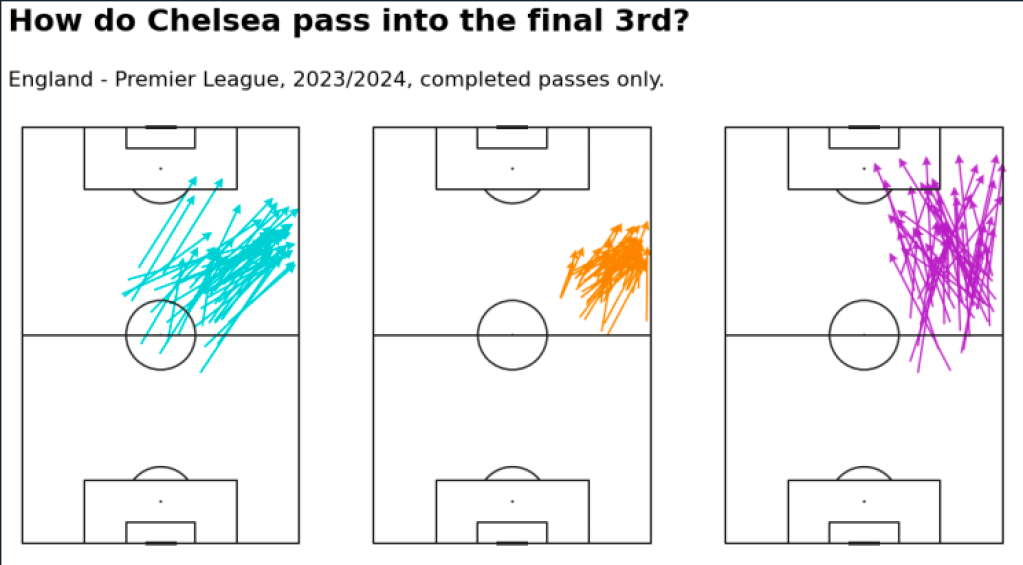
Avoid including noisy data or weak trends. False positives can lead to confusion—or worse, misinformation.
2. Who Are We Likely to Face?
Understanding how an opponent utilizes its squad is essential. One real-world example: I once prepared an in-depth analysis of a goalkeeper’s distribution habits—only to have the club sell him the day after I submitted my report.
Key considerations:
- Be aware of recent transfers and injuries that could impact your analysis.
- Track squad rotation patterns—does the opponent use the same core of players? Are the players specialists or versatile?
- Focus on likely matchday personnel rather than theoretical full-strength lineups.

3. How Can We Exploit Their Weaknesses?
Opposition analysis is as much about exploiting weaknesses as it is about understanding strengths. However, identifying true vulnerabilities takes careful investigation.
- Ensure that weaknesses are genuine, not one-off statistical anomalies.
- Consider trade-offs: should you target a weaker defender if he’s also the opponent’s best counter-attacking threat?
- Provide clear, actionable recommendations based on evidence.
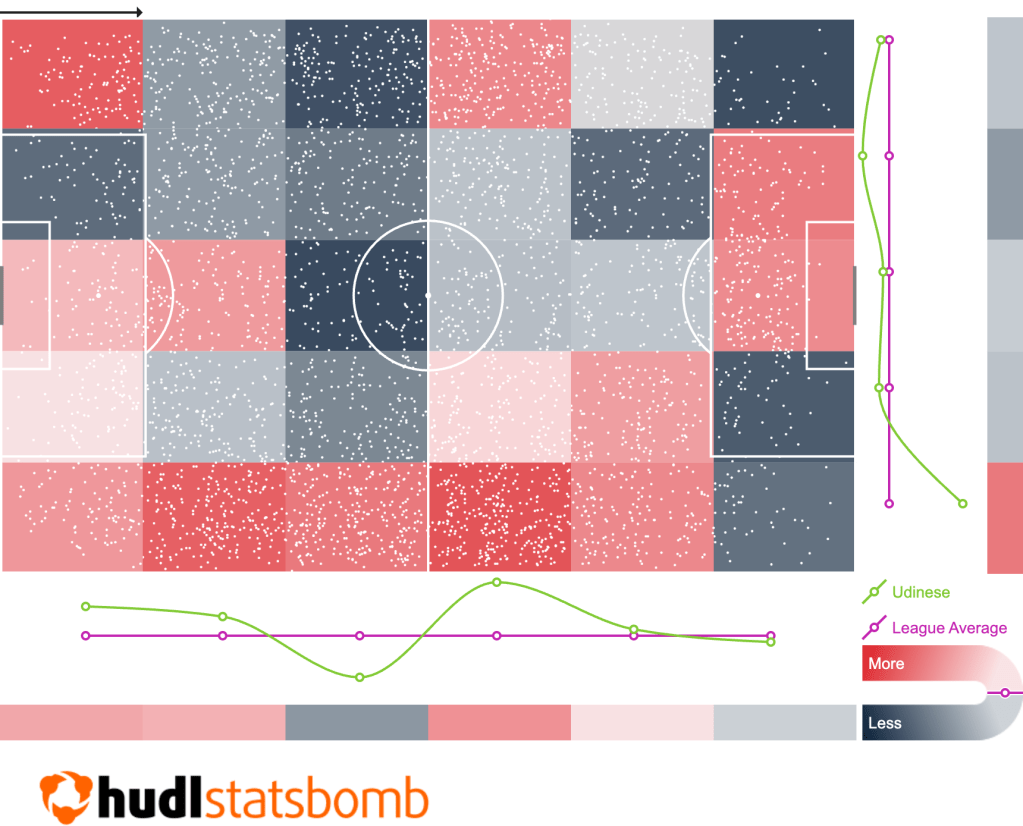
A good report doesn’t need to include everything—even identifying one key exploitable weakness can be a game-changer.
III. The Importance of Context
Context is crucial in opposition analysis. Without it, data can mislead rather than inform.
- Quality of Opposition: Data from matches against much stronger or weaker opponents may not be representative.
- Game-State Effects: Teams behave differently when leading, trailing, or playing with ten men.
- External Factors: Unusual weather, poor pitch conditions, or an early red card can distort data.
While some context should be excluded (e.g., an extreme outlier match), others—such as home/away performance differences—can be highly valuable.
Final Thoughts
There’s no perfect formula for opposition reports. Some teams provide plenty of usable data, while others require deeper digging. But remember:
- If you find just one actionable insight that genuinely impacts the game, that’s a win.
- The respect you give data is the respect your team will have for your analysis.
- Focus on clarity, conciseness, and relevance—because at the end of the day, coaches and players need information they can act on.
By keeping your reports focused, well-structured, and grounded in context, your analysis will make a real impact where it matters most—on the pitch.
 Antoine Maratray
Leave a comment